Beautiful nature and the multicultural cities are what Canada is known for these days, yet one of the most characterizing and at times demanding features of the country is its weather. Canada reaches all the way across the Pacific Ocean to the Atlantic Ocean and into the Arctic Circle, so the weather in Canada is as diverse as its geography. Newcomers find it significant to acclimatize to the Canadian seasons, which make up part of settling in. Every season will be different because it will have its own beauty, activities, preparation needs. The guide will make you know what to expect during each season and what to do to be able to make the most out of each season.
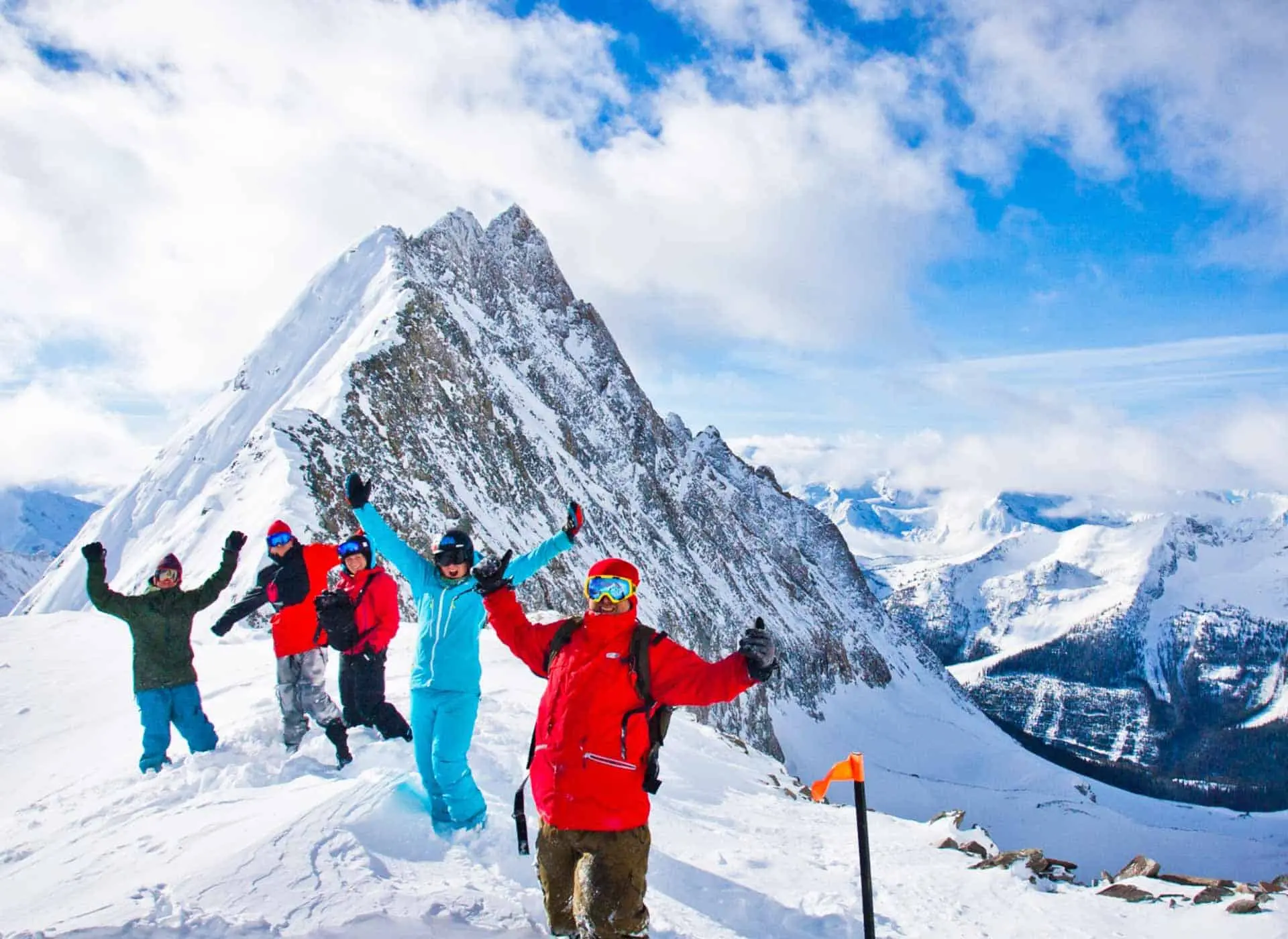
Winter (December to February/March) – Compared to other destinations, the cold is worth it.
It is one of the classic Canadian winters, only sharp. The temperatures may go extremely low to -20 degrees Celsius in most parts of the country; you can get really heavy snowstorms, iced roads and little sunlight. Of course the cold is chilling but the secret is not to be afraid just be prepared.
Indicators of what to expect:
Driving conditions can be snow, ice, freezing rain.
Long nights short days.
Low temperature in the central and northern Canada.
Preparations:
Clothing: It is worth buying a high quality winter coat, thermal clothing, boots, insulated gloves, scarves, and a toque (winter hat). Perhaps the most important advice is to wear two or more layers in order not to feel cold and not to get wet.
Home Preparation: Find out how to operate your heating system properly. Always have emergency backup such as flashlights and blankets just in case power goes off.
Transportation: Drive only when it is really necessary. Use winter tires, and have a snow brush and a kit of emergency needs in your car. There can be delays with the public transportation so schedule some more time when getting to work.
Health: Winter blues can be beaten by getting a flu shot, taking vitamin D supplements, and being active. Attempt winter sports such as snowshoeing or ice-skating, it is one good way to make the best out of the season.
Spring (March to May) – The Season of Restoring
The spring in Canada is the welcome relief after such a cold time. The temperatures start increasing and flowers start blooming, and people in society start organizing outdoor activities. Nevertheless, it may be wet, muddy, and unpredictable, as well.
So what can you expect?
Melted snow and some floods.
Fall evenings, and hotter afternoons.
Rain and the sprouting of leaves.
Tips on how to:
The layering: Layering still matters. Your rainproof jacket, sweaters, and easy shoes or rain boots will keep you dry and warm.
Spring Allergies: You may need to be ready in case of spring allergies to pollen.
Home Maintenance: In spring, you need to inspect your home to ensure that there has been no damage due to winter, as well as clean the gutters, and prepare your garden or balcony to be planted.
Activities: Spend some time in nature, visit the botanical gardens, go on nature trails, and explore the community.
Three Months of Sun and Adventure in Summer (June through August)
The Canadian summer is beautiful and is mostly warm with temperatures varying between 20°C to 35°C in various parts of the country. It is also the best period to go on tour, visit nature and also spend some time with the cultural fairs across the country.
So what can you expect?
Temperatures of up to higher degrees.
The increase in daylight hours (up to 16 hours in certain places).
Festivals in the open air, farmers' markets, and holiday period.
Tips on how to survive:
Clothing: Lightweight and breathable materials such as cotton and linen will keep you cool. One needs to have sunglasses, sunscreen, and hats.
Health & Safety: Remember to drink plenty of water, even when there is a heat wave. Beware of tick and mosquito bites.
Recreation: Summer is best suited to camping, swimming, road touring, and taking part in events like Canada Day (July 1st) celebrations.
Work & School: Lots of schools and offices will have more flexible schedules. Use the travel time, work-outs or holidays.
Autumn (September to November) – Colour Change
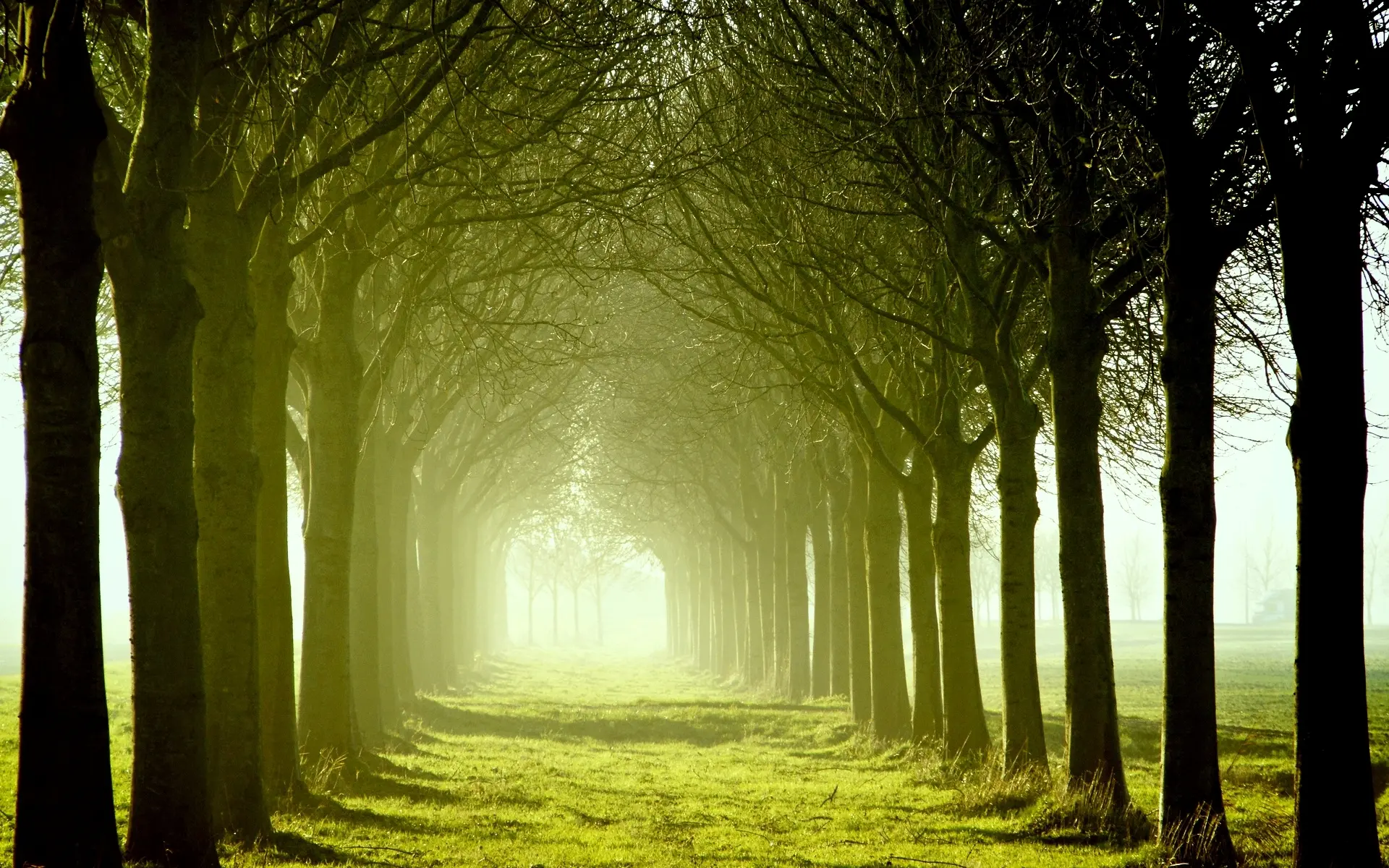
Fall is the most picturesque season of Canada, probably. The trees are filled with a very vibrant color of red, orange and yellow and the air is very fresh and cool. Summer also is in transition time as it comes to an end, and the arrival of winter.
And what to reckon on:
A low temperature, in particular, at night.
Leaves turning colour and less time in the daylight.
The late October drop in temperature by a significant degree can be felt easily.
The key is to prevent the common mistakes:
Clothing: You have to wear lighter jackets, sweaters, scarves and waterproof shoes. Wear in layers since it is chilly in the mornings and evenings.
Household Tasks: Batten-down the hatches and secure your home to survive the winter. Seal the windows, check the heating systems, and store the summer gear.
Education: School begins in September. Register your kids and provide kids with all necessary supplies.
Falls: Go to the fall fairs and go apple picking, and have Thanksgiving. Halloween is a tradition in the Canadian culture (October 31st).
Regional Considerations
British Columbia: The climate is drier (especially in the coastal areas like Vancouver) and not as cold.
Prairie Provinces: The extremes of summer and winter can be experienced in Alberta, Saskatchewan, and Manitoba.
Quebec and Ontario: These provinces possess the balanced climate that consists of hot summers and cold winters.
Atlantic Canada: Cooler and wetter, and very oceanic in nature.
Northern Regions: Very severe winters and short, but fun and fabulous summers.
End Quote: Survival in the Seasons
Seasons in Canada provide a complete set of experiences one can have — by skiing on the snowy mountains and swimming in the clear lakes, by spending the winter nights at home and enjoying colourful walks in autumn. Although dealing with the climate can seem rather challenging at the start, it can be defeated with proper preparation.
The seasons have seasonal beats, customs and odds. Accepting them would not only make you more accustomed to living in Canada, but will also enhance your relationship with the landscape and the culture of this country. Put on according to the weather, invade the world out there, and have seasons give you an extra feel to your Canadian experience.
It is always a good idea to monitor local weather apps (such as The Weather Network or Environment Canada) before heading out as it is very much a Canadian thing to do, especially preparing in advance and saving yourself in the process!