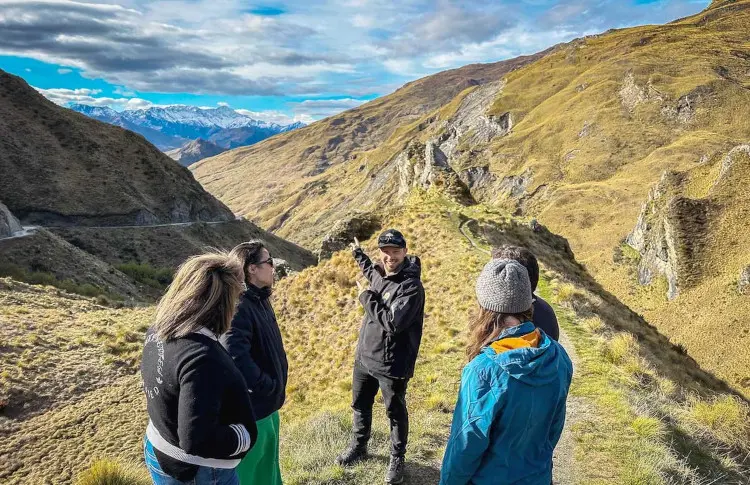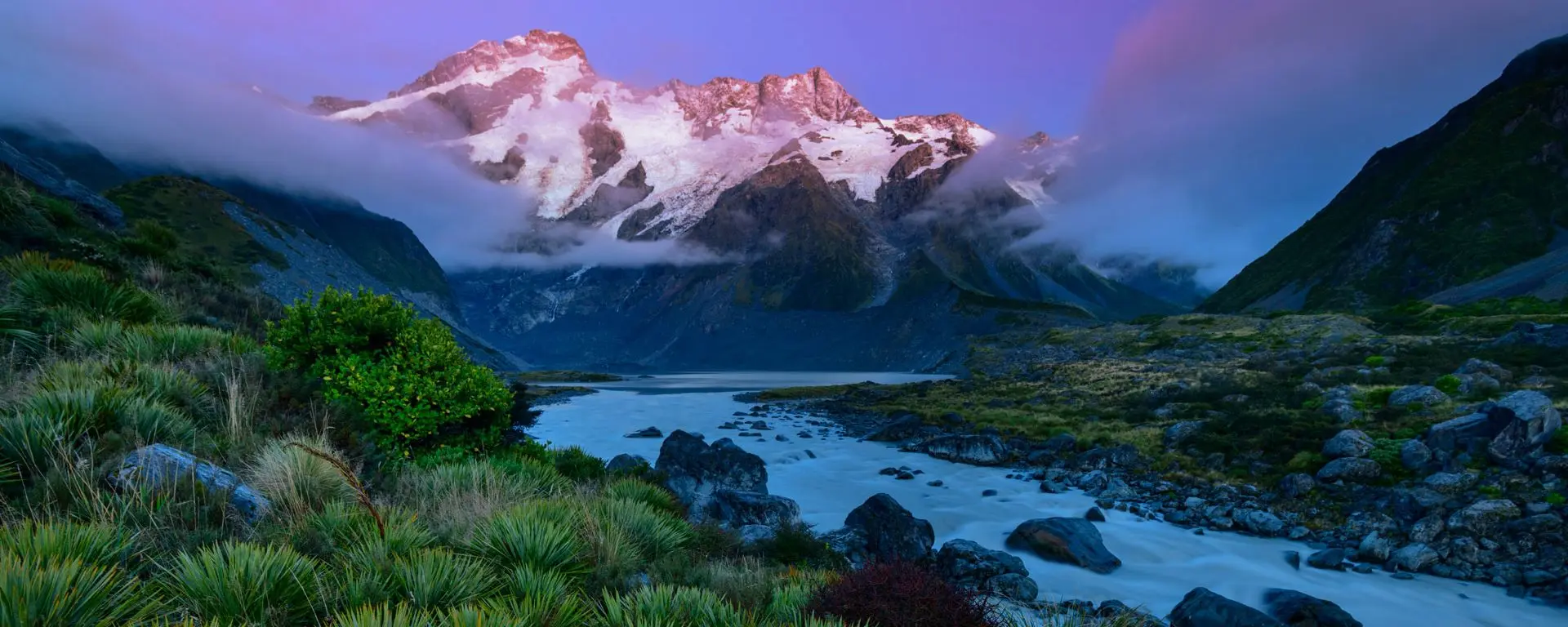
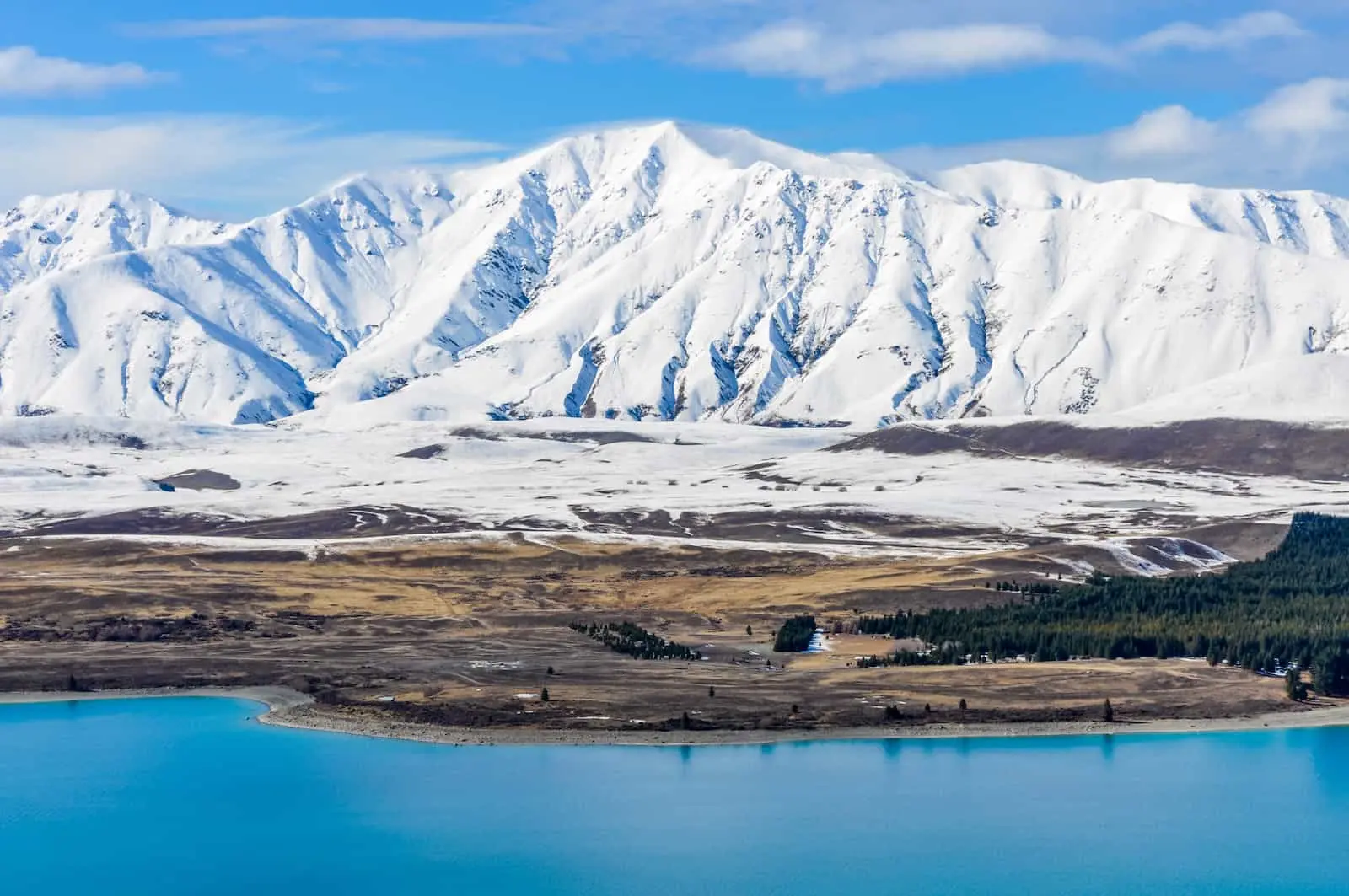
If you’re planning to move to New Zealand - whether for study, work, or leisure - understanding the country’s unique seasons is more than just a nice-to-have. It’s essential for your comfort, lifestyle planning, and even your budget. New Zealand’s weather is famously changeable, and what you might expect from one season could shift within a day. As a newcomer, knowing what to pack, how to dress, and what to expect in each climate will help you settle in smoothly.
In this blog, we’ll walk you through New Zealand’s four distinct seasons as of 2025, what makes each one special, and how to prepare so you can embrace your new life in Aotearoa with confidence.
Why New Zealand’s Climate May Surprise You
New Zealand stretches over two main islands - the North Island and the South Island - with a diverse landscape ranging from subtropical beaches to snow-capped mountains. This variety means the climate can differ dramatically depending on where you are. While Auckland may feel mild and humid, Queenstown could be hosting a winter ski season.
The seasons here are also opposite to those in the Northern Hemisphere. That means when it’s summer in Europe or North America, it’s winter in New Zealand - an important factor if you’re moving from overseas.
Season-by-Season Breakdown
Note: The seasonal descriptions provided here are based on typical patterns and may vary from year to year. Weather conditions can change unexpectedly, so always check local forecasts before making plans.
1. Summer (December - February)
What to Expect:
New Zealand summers are warm, with long daylight hours, especially in the South Island. Temperatures typically range from 20°C to 30°C, but coastal breezes keep things comfortable. The North Island tends to be more humid, while the South Island enjoys slightly cooler, drier conditions.
Best Activities:
Swimming, surfing, and sailing along astonishing coastlines like the Bay of Islands or the Coromandel.
Hiking through national parks such as Abel Tasman and Tongariro.
Attending outdoor festivals, concerts, and Christmas-in-summer celebrations.
Tips to Prepare:
Pack light clothing, breathable fabrics, and plenty of sun protection (New Zealand’s UV rays can be intense).
Carry a lightweight jacket for cold evenings.
Invest in good sunscreen - even on cloudy days.
Hydration is key; carry a reusable water bottle when you’re out and about.
2. Autumn (March - May)
What to Expect:
Autumn is a favourite for many locals - the weather is mild, the summer crowds thin out, and landscapes burst into golden, red, and orange tones. Daytime temperatures hover between 15°C and 25°C, gradually cooling as winter approaches.
Best Activities:
Exploring wine regions like Hawke’s Bay and Marlborough during harvest season.
Enjoying scenic drives through Central Otago and Wanaka, where autumn foliage is at its peak.
Taking advantage of fewer tourists for peaceful sightseeing.
Tips to Prepare:
Pack layers - mornings and evenings can be chilly, while afternoons stay warm.
Waterproof jackets are useful, as autumn showers are common in some regions.
If you plan to travel between islands, autumn’s stable weather makes it a great time for ferry or road trips.
3. Winter (June - August)
What to Expect:
Winter in New Zealand varies greatly depending on location. The North Island has cooler, wetter weather in regions such as Wellington and Auckland. The South Island can see snow in alpine areas, making it a paradise for skiers and snowboarders. Temperatures range from 1°C to 15°C, with mountain areas dipping below freezing.
Best Activities:
Skiing and snowboarding in Queenstown, Wanaka, and Mt. Ruapehu.
Visiting thermal hot springs in Rotorua or Hanmer Springs for a warm soak.
Exploring the dramatic winter landscapes of Fiordland and the Southern Alps.
Tips to Prepare:
Pack warm layers - thermal tops, wool jumpers, waterproof outerwear, and sturdy footwear.
Keep gloves, scarves, and hats handy for frosty mornings.
For the North Island, prepare for wet days with an umbrella or raincoat.
If driving in snowy areas, carry snow chains and check road conditions.
4. Spring (September - November)
What to Expect:
Spring is a time of renewal, with flowers blooming, lambs frolicking in fields, and temperatures gradually warming. It’s also known for “four seasons in a day” weather - you might experience sunshine, rain, and wind all before lunchtime. Temperatures range from 10°C to 20°C.
Best Activities:
Visiting gardens and parks like Christchurch Botanic Gardens or Hamilton Gardens.
Whale watching in Kaikoura as migration season begins.
Enjoying outdoor sports and festivals before the summer rush.
Tips to Prepare:
Dress in layers to adapt to changing conditions quickly.
A windproof jacket is handy for breezy days.
Keep an umbrella or compact raincoat in your bag - showers can be sudden.
Regional Weather Differences to Know Before You Move
While the seasonal breakdown is helpful, New Zealand’s weather also depends heavily on where you choose to live or study:
Northland & Auckland: Subtropical climate, mild winters, humid summers.
Wellington: Known as “Windy Wellington” - breezy year-round with mild temperatures.
Christchurch: Cool, dry winters and warm, dry summers.
Queenstown & Southern Alps: Distinct seasons with cold, snowy winters and warm, dry summers.
Adapting to New Zealand’s Weather as a Newcomer
Settling into a new country’s climate is about more than just clothes - it’s about lifestyle adjustments:
Embrace Layering: Because the weather can change quickly, especially in spring and autumn, layering ensures you’re always prepared.
Be Sun-Safe Year-Round: Even during the cooler months, New Zealand often experiences a high UV index. Sunscreen, sunglasses, and hats should be part of your daily routine.
Learn Local Weather Patterns: Kiwi weather forecasts are reliable, and many locals check them daily before heading out. Apps like MetService are useful for tracking conditions.
Choose Accommodation Wisely: If you’re sensitive to cold, look for housing with good insulation and heating, crucial in the South Island.
Seasonal Highlights for New Migrants
Summer Christmas: A festive season filled with BBQs, beach picnics, and outdoor gatherings.
Matariki (Winter): The Māori New Year, celebrated with cultural events, storytelling, and stargazing.
Spring Lambing Season: Rural areas come alive with lambs in lush green fields.
Autumn Harvest Festivals: Celebrate New Zealand’s food and wine culture in scenic settings.
How Fasttrack Immigration Can Help You Make the Move
Adapting to New Zealand’s seasons is just one part of your migration journey. At Fasttrack Immigration, we provide end-to-end immigration support to ensure your move is seamless and hassle-free. Whether you’re applying for a Student Visa, Work Visa, Visitor Visa, or NZeTA, our team guides you through:
Eligibility Assessment: Determining the best visa option for your goals.
Documentation Preparation: Organising and reviewing all necessary paperwork.
Application Filing: Assisting in preparing and submitting accurate, complete applications.
Visa Application Support: Offering end-to-end immigration support throughout the process.
When immigrating to New Zealand, our team supports you at each stage of the process, helping you prepare from your first consultation through to your arrival in Aotearoa.
Conclusion:
New Zealand’s changing seasons bring variety, beauty, and adventure to everyday life. By understanding the climate patterns, you can prepare for comfort, safety, and enjoyment year-round. Whether you’re skiing in the winter, hiking in the summer, or soaking in hot springs during a crisp autumn afternoon, every season offers something special.
If you’re ready to begin your journey to New Zealand, no matter the season, Fasttrack Immigration is here to help turn your plans into reality.