
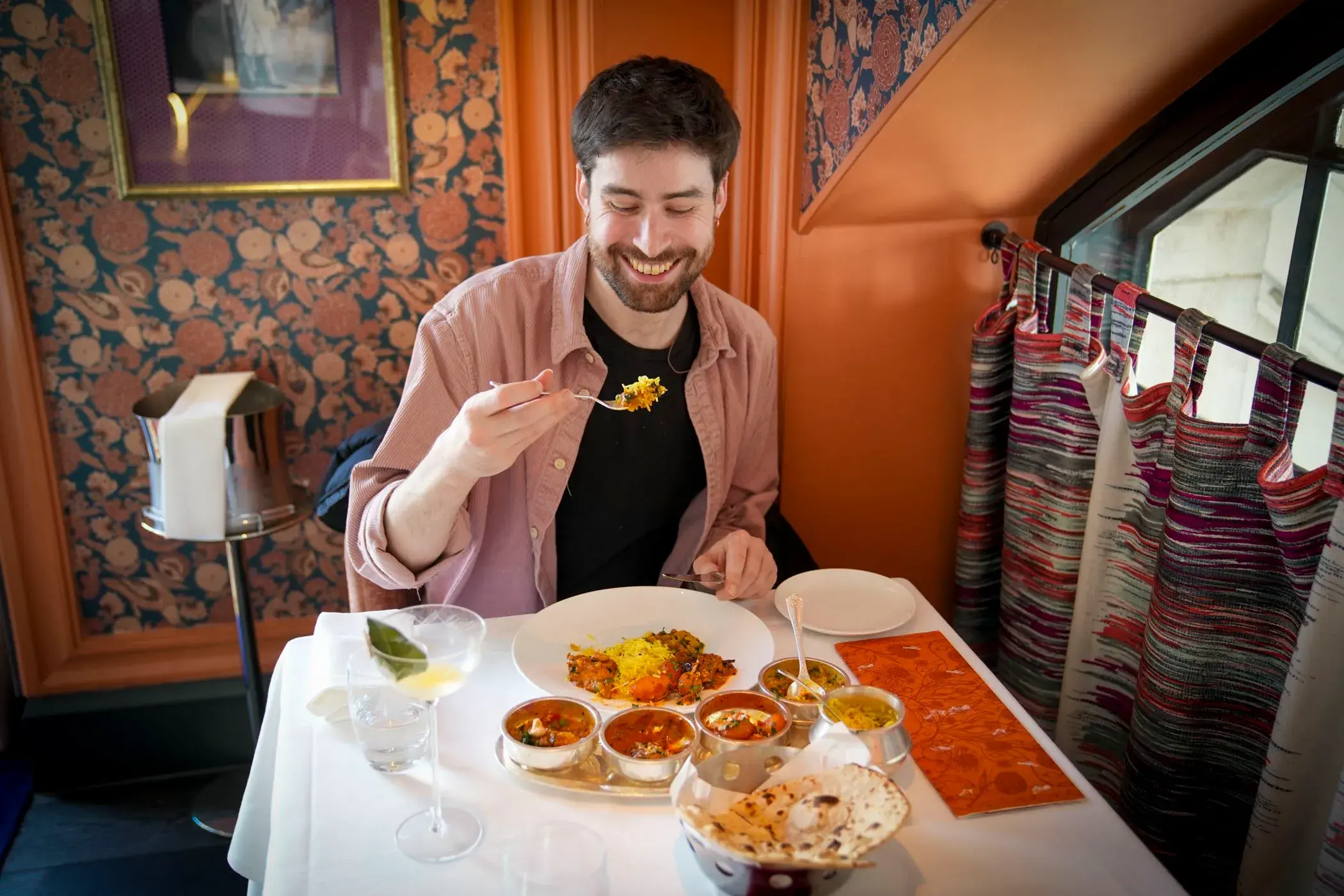
Moving to the United Kingdom is more than just changing your address; it’s about stepping into a culture that’s as rich and diverse as the food on its tables. For new immigrants, settling in often begins with learning how to navigate public transport, understanding local customs, and setting up a new home. But there’s another equally rewarding way to feel connected to your new country, through its food.
British cuisine, once thought of simply as fish and chips, has transformed into a vibrant mix of tradition and innovation. From comforting pies and hearty roasts to globally inspired street food, the UK’s culinary landscape offers something for every palate. Whether you’re here for study, work, or to join loved ones, food can be your bridge to belonging.
This blog will take you on a mouth-watering journey across Britain’s culinary treasures, highlighting regional classics, multicultural flavours, and experiences that will help you feel right at home.
1. Britain’s Culinary Identity in 2025
British cuisine in 2025 is a fascinating blend of old and new. While traditional dishes still hold their place at the table, the country’s diverse immigrant communities have left a lasting imprint on menus across the UK. Walking through cities like London, Birmingham, Manchester, or Glasgow, you’re just as likely to find authentic Indian curries, Middle Eastern mezze, or East Asian ramen as you are a plate of Yorkshire pudding.
Food is more than sustenance; it’s a shared experience. In a country where people from around the world live side by side, dining together offers a unique way to connect and learn about one another.
2. Traditional Dishes Every Newcomer Should Try
If you’ve just arrived in the UK, sampling traditional British dishes is a perfect introduction to the local way of life. These classics are more than recipes; they’re woven into the nation’s cultural fabric.
Full English Breakfast
The classic full English is a morning feast: fried eggs, sausages, bacon, baked beans, tomatoes, mushrooms, and toast. In Scotland, you might find tattie scones and black pudding on the plate, while in Wales, laverbread (seaweed paste) makes a special appearance.
Sunday Roast with Yorkshire Pudding
This is more than a meal, it’s a weekly ritual. Traditionally served on Sundays, it includes roasted meat (often beef, chicken, or lamb), crispy roast potatoes, seasonal vegetables, gravy, and a golden, airy Yorkshire pudding.
Fish and Chips
A culinary journey in the UK is complete with fish and chips, ideally eaten near the seaside. Crisp battered fish paired with chunky chips and mushy peas is comfort food at its best.
Shepherd’s Pie and Cottage Pie
A baked dish of minced meat topped with creamy mashed potatoes. Shepherd’s pie uses lamb, while cottage pie uses beef; both are hearty and satisfying.
Cornish Pasty
A portable, savoury pastry filled with meat, potatoes, onions, and swede (rutabaga). Originally a miner’s lunch in Cornwall, it’s now enjoyed across the UK.
3. Regional Food Adventures
One of the best things about moving to the UK is exploring its varied regional cuisines.
Scotland: Try haggis (a savoury pudding made with meat, oats, and spices) served with “neeps and tatties” (turnips and potatoes), or enjoy buttery shortbread.
Wales: Taste Welsh rarebit (cheesy toast with a punch of mustard) and bara brith (a fruit loaf).
Northern Ireland: Indulge in an Ulster fry or potato bread.
England’s North: Known for hearty meat pies, Lancashire hotpot, and black pudding.
South West England: Famous for cream teas, freshly baked scones with jam and clotted cream.
Each region’s dishes tell a story about its history, climate, and people.
4. Multicultural Flavours in the UK
The UK’s food scene wouldn’t be complete without the contributions of its diverse immigrant communities. From Caribbean jerk chicken to Pakistani biryani, the influence of global flavours is everywhere.
Indian and South Asian Cuisine
Indian food is almost a national obsession here. The chicken tikka masala is often called “Britain’s national dish,” and local curry houses offer everything from fiery vindaloos to creamy kormas.
Middle Eastern & North African Dishes
Expect falafel wraps, shawarma, tagines, and fragrant couscous in street markets and restaurants.
East Asian Specialities
Japanese sushi, Korean barbecue, Thai curries, and Chinese dim sum have all found devoted audiences.
African Cuisine
Nigerian jollof rice, Ethiopian injera, and Moroccan pastries have been embraced across the country.
5. Where to Start Your Culinary Journey
Local Markets: Borough Market in London, St Nicholas Market in Bristol, and Edinburgh Farmers’ Market are just a few examples. Here, you’ll find fresh produce, artisanal cheeses, baked goods, and street food from around the world.
Pubs: The British pub is more than a place to drink; it’s a social hub. Many pubs serve excellent food, from classic fish and chips to gourmet burgers.
Street Food Festivals: Across the UK, food festivals celebrate diversity. You can taste street food from multiple continents in one place.
Supermarkets & International Stores: Major supermarket chains stock international ingredients, while smaller independent stores cater to specific communities, making it easy to cook traditional dishes from your own culture.
6. Cooking at Home: Bringing the UK into Your Kitchen
While eating out is exciting, cooking at home allows you to combine your traditions with local flavours. British supermarkets offer seasonal vegetables, fresh seafood, dairy products, and meats. As you explore local ingredients, you might create your fusion dishes, imagine a shepherd’s pie with spices from your home country, or a curry using local lamb and root vegetables.
Cooking for friends and neighbours is also a wonderful way to share your culture while learning about theirs.
7. Navigating Dietary Preferences in the UK
The UK is increasingly accommodating of different dietary needs. Whether you’re vegetarian, vegan, gluten-free, halal, or kosher, you’ll find plenty of options in supermarkets and restaurants. Menus often include allergen information, and staff are generally happy to advise on ingredients.
This inclusivity makes it easier for new immigrants to adapt without giving up their dietary choices or religious food practices.
8. Seasonal and Festive Food Traditions
Understanding British seasonal and festive foods can help you feel more connected to the local culture.
Christmas: Roast turkey, stuffing, mince pies, and Christmas pudding are traditional.
Easter: Hot cross buns and roast lamb are favourites.
Bonfire Night (5th November): Parkin cake, toffee apples, and jacket potatoes.
Summer: Strawberries and cream during Wimbledon, plus plenty of outdoor barbecues.
Participating in these traditions is a fun way to integrate into your community.
9. Dining Etiquette and Cultural Tips
While dining etiquette in the UK is relatively relaxed, a few tips can help you blend in:
Wait until everyone is served before starting your meal.
“Please” and “thank you” are essential; politeness is highly valued.
Tipping in restaurants is usually around 10-12.5% if service is not included.
In pubs, order food and drinks at the bar unless table service is offered.
Understanding these small details can make social situations more comfortable.
10. Using Food to Build Your New Life
Food has a unique way of breaking barriers and creating bonds. Joining cooking classes, participating in community food events, or volunteering at food banks can introduce you to new people and experiences. It’s also a great way to practice your English, learn local slang, and feel part of the community.
As you settle into life in the UK, let your culinary adventures be a joyful part of the journey. Trying local dishes, exploring markets, and cooking with new ingredients are not just about taste; they’re about building a sense of belonging.
Conclusion
Adjusting to a new country takes time, and food can be your most comforting companion during the process. The UK’s food culture in 2025 is dynamic, inclusive, and endlessly exciting, offering you a taste of home alongside new experiences. Whether you’re indulging in a full English breakfast, discovering a new street food stall, or cooking for friends, each meal is an opportunity to connect.
And remember, immigration is more than paperwork; it’s about creating a fulfilling life in your new home. If you’re planning to make the UK your next chapter, ensure you have the right guidance for your move.
The Fasttrack Immigration is here to support you every step of the way, from assessing your eligibility and preparing documentation to guiding you through application processes for Student, Work, Visitor visas, and the UK ETA, helping you start your British journey with confidence.